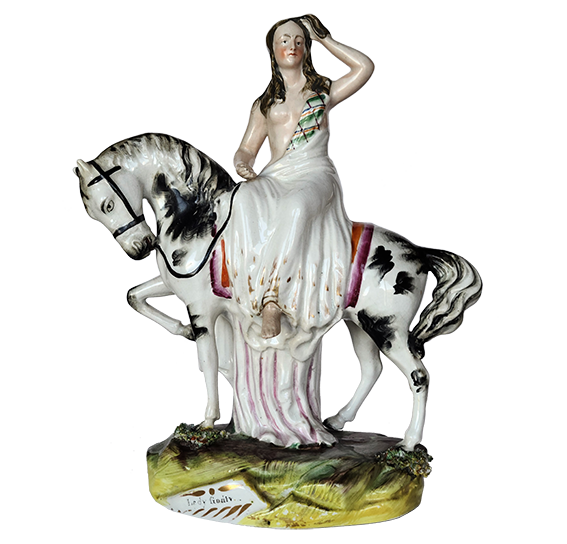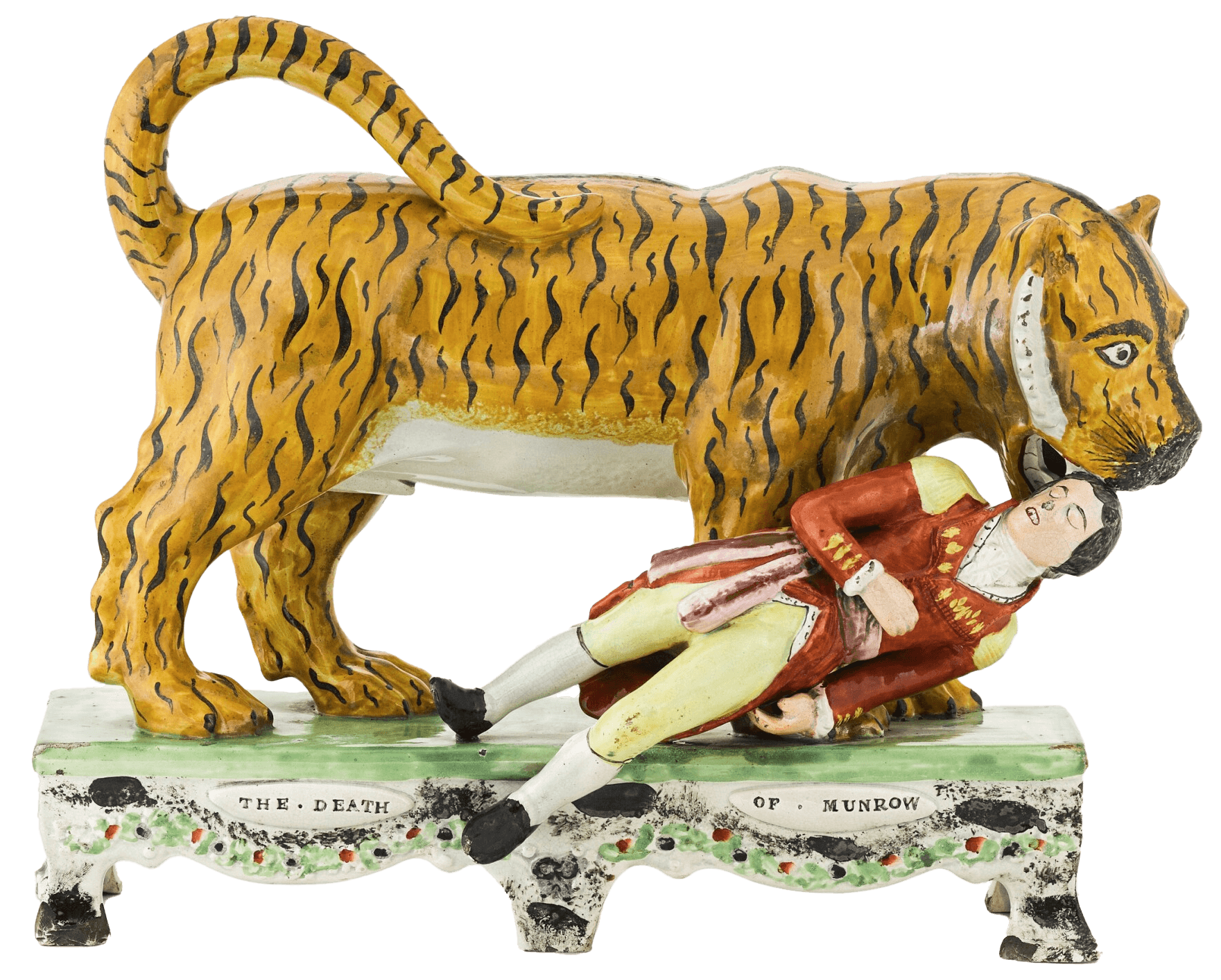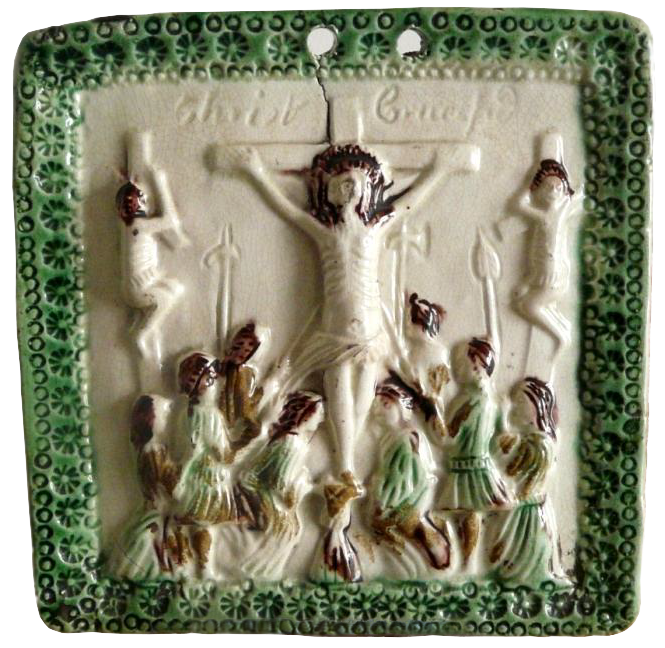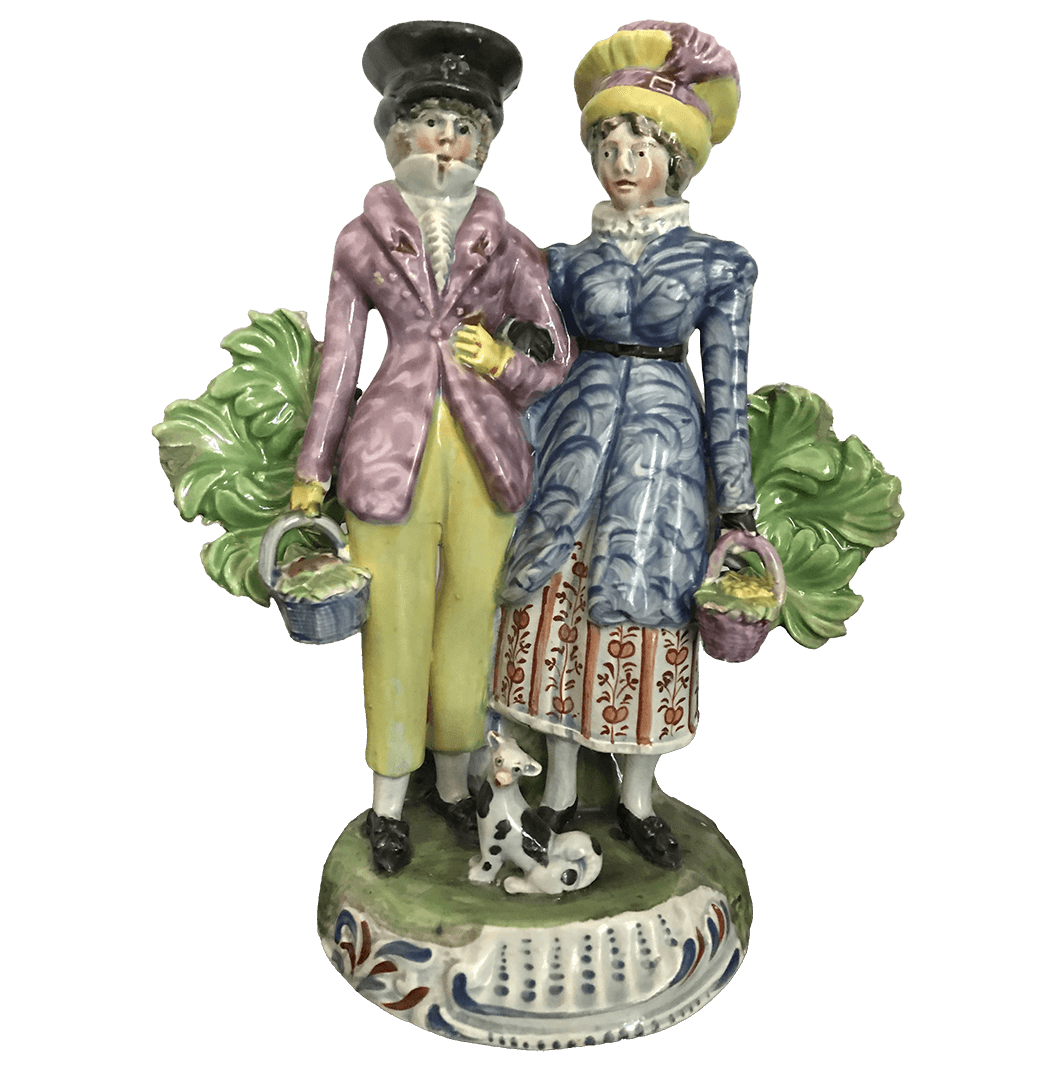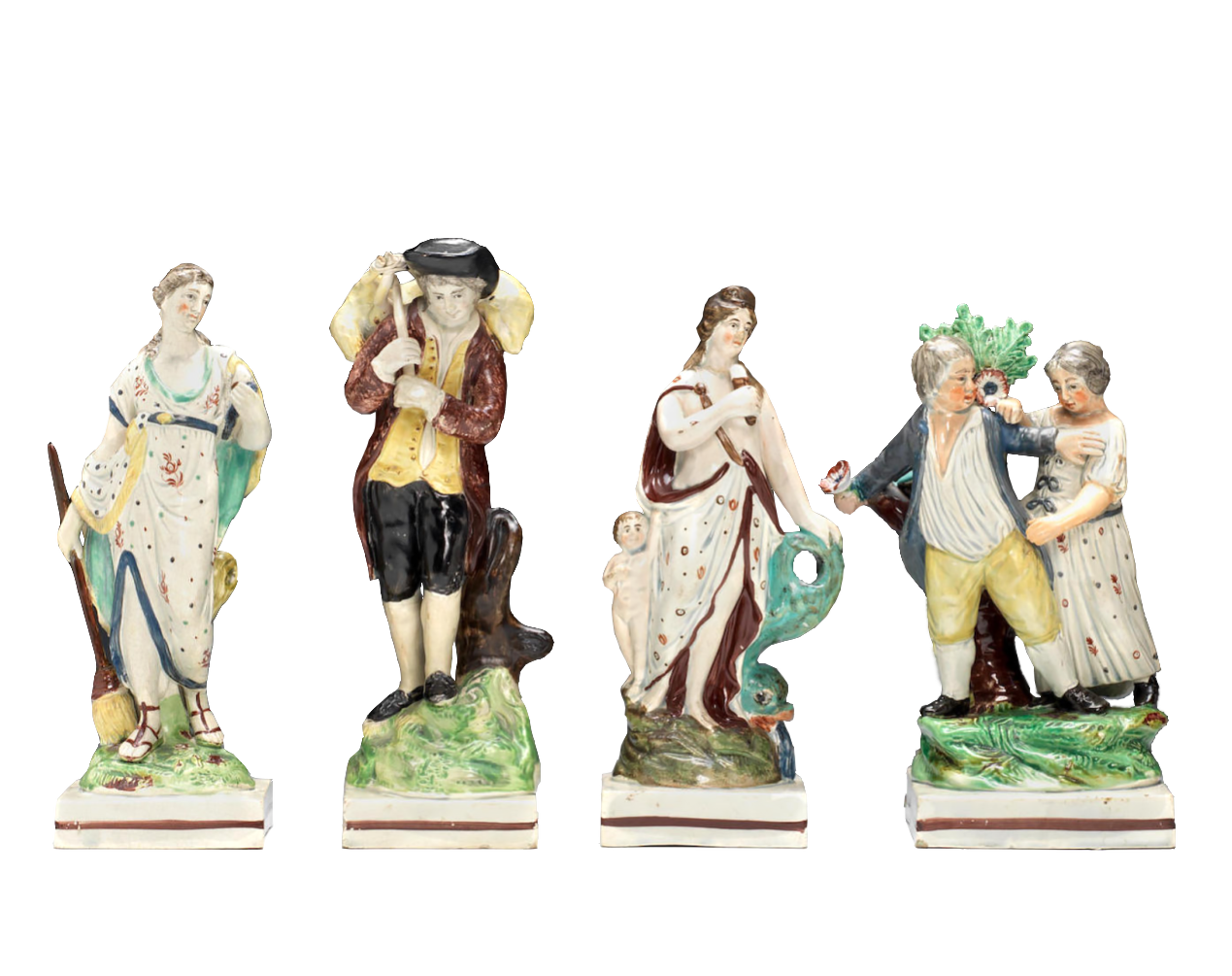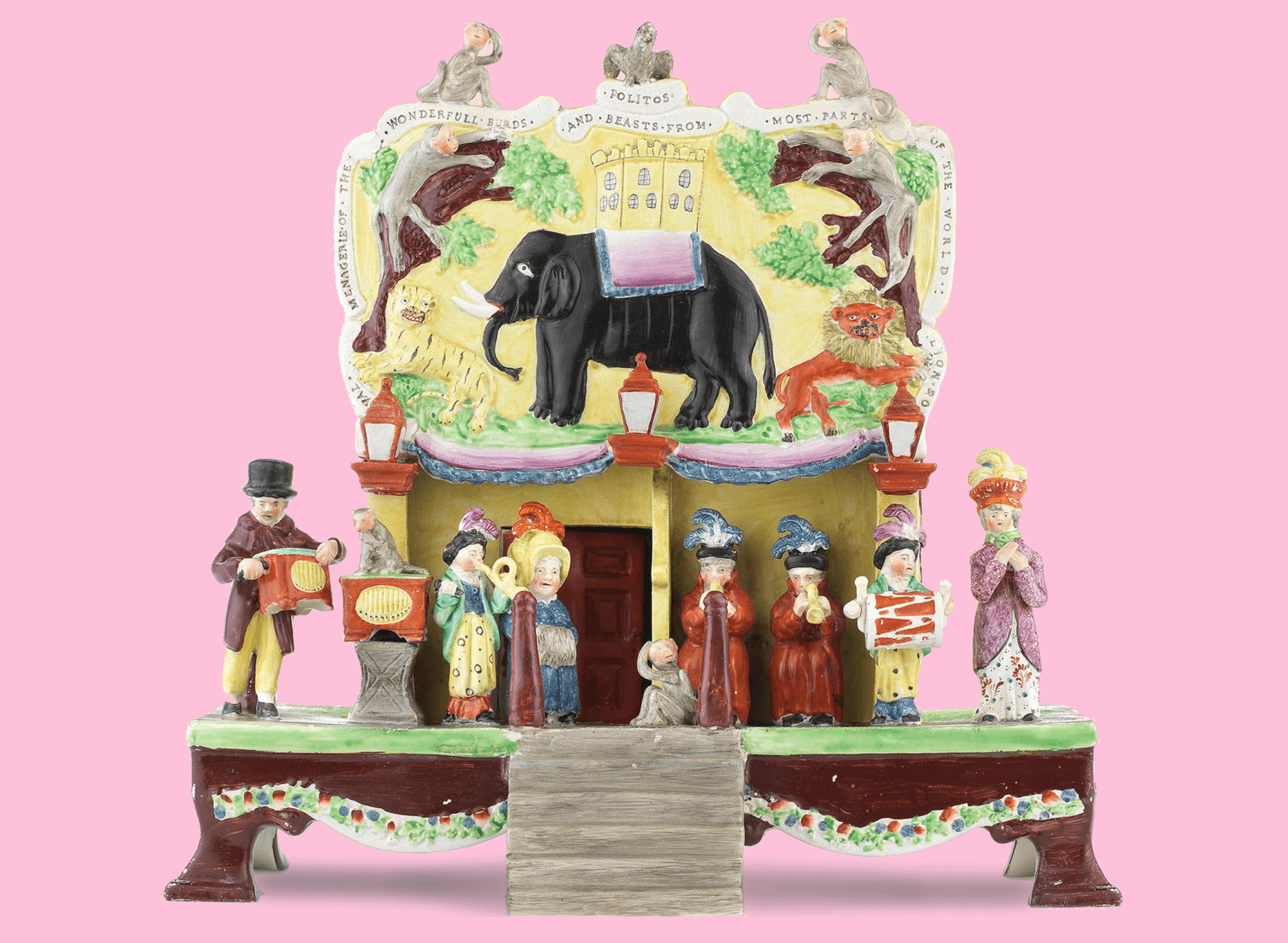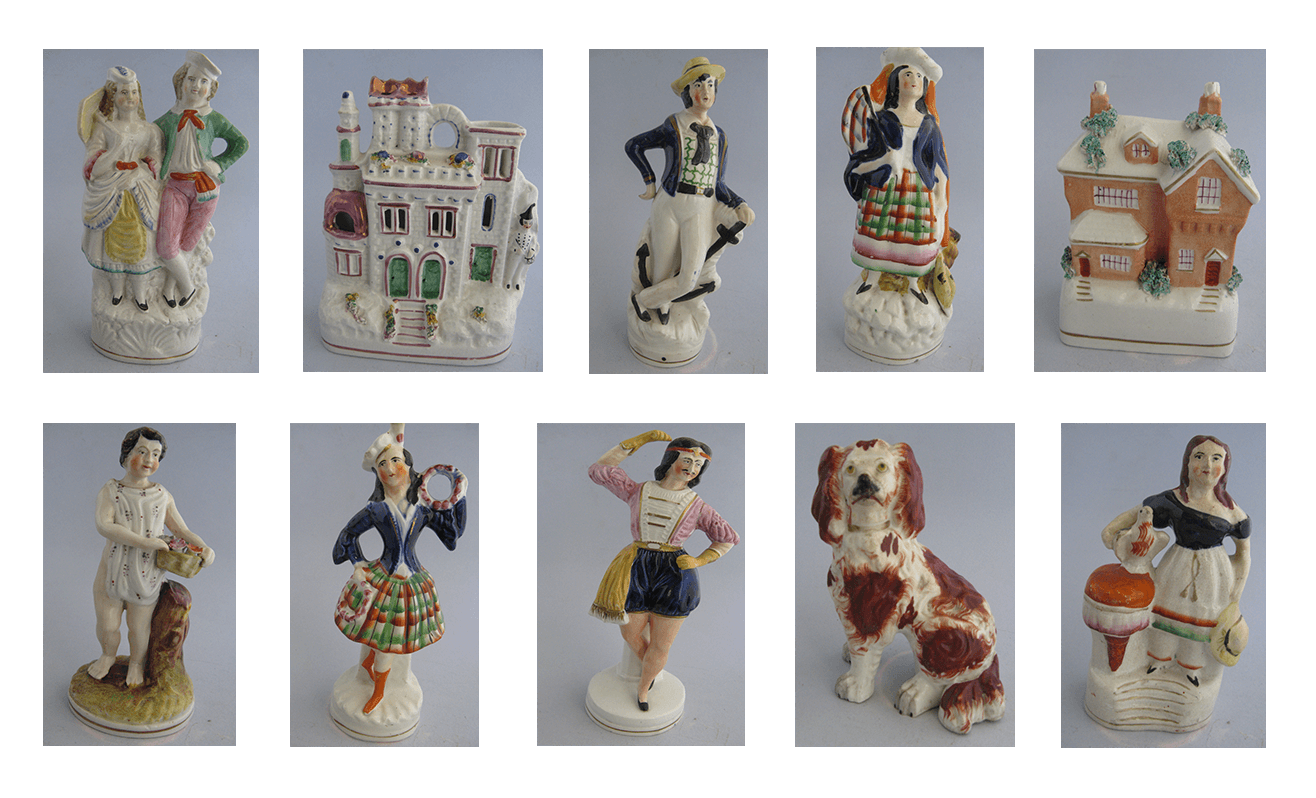
We’ve all picked up a glossy magazine in a waiting room at one time or another. Recently, a feature in a popular lifestyle publication attracted my attention: “Furnishing your house with antiques for under £25.” This was about a couple who set out to completely furnish their new cottage with antiques, costing less than £25 for each individual treasure.
Their purchases included treen, lamps, shades, pictures, copper and brass metalware, glassware, ceramics and other decorative items. The end result was stunning, and satisfied their love and passion for antiques, with more scope to add to and refine their collection in future years.
I thought this would be a good challenge – to form a collection of Staffordshire figures costing less than £25 each.
The rules for the challenge must be set and obeyed! For me this meant all figures had to be good, genuine Victorian figures (my range was 1840- 1880) – no rubbish or poor examples, no very late or reproduction figures and no damaged figures (minor professional restorations considered if the figure is rare).
Rules set, onto places to search for the quarry – firstly, what about auction houses? They do process a huge number of Staffordshire figures but these days tend to assemble multiple figures in group lots and therefore sell for more than the £25 budget. While some figures in a lot may be just what I’m looking for, the remainders may be difficult to dispose of.
Beyond the auction houses, decent antique shops are now rare to find (in the UK), and I’d be lucky to find any Staffordshire figures in them. The ones that do appear have usually been assessed for their value and therefore may be out of my price limit.
Having said that, I’ve found antiques centres and antique fairs where I can browse the stalls of many different dealers to be very good hunting grounds, as the competition often results in reasonable prices and sometimes negotiable prices.
I also know that several internet marketplaces are worth keeping an eye on, as long as I can negotiate the expected pitfalls of incorrect or insufficient descriptions, bad photos, fake or scam accounts and high shipping charges. I’ve found it’s very advisable to know about Staffordshire and ask questions! Of course on these sites I am also reliant on a successful bid, excellent packing and a reliable postal service – I have had disappointments with broken figures or figures that not as good as they appeared in their digital photos.
When I concluded the challenge after a short and enjoyable few weeks, I had amassed some interesting figures all costing less than £25.
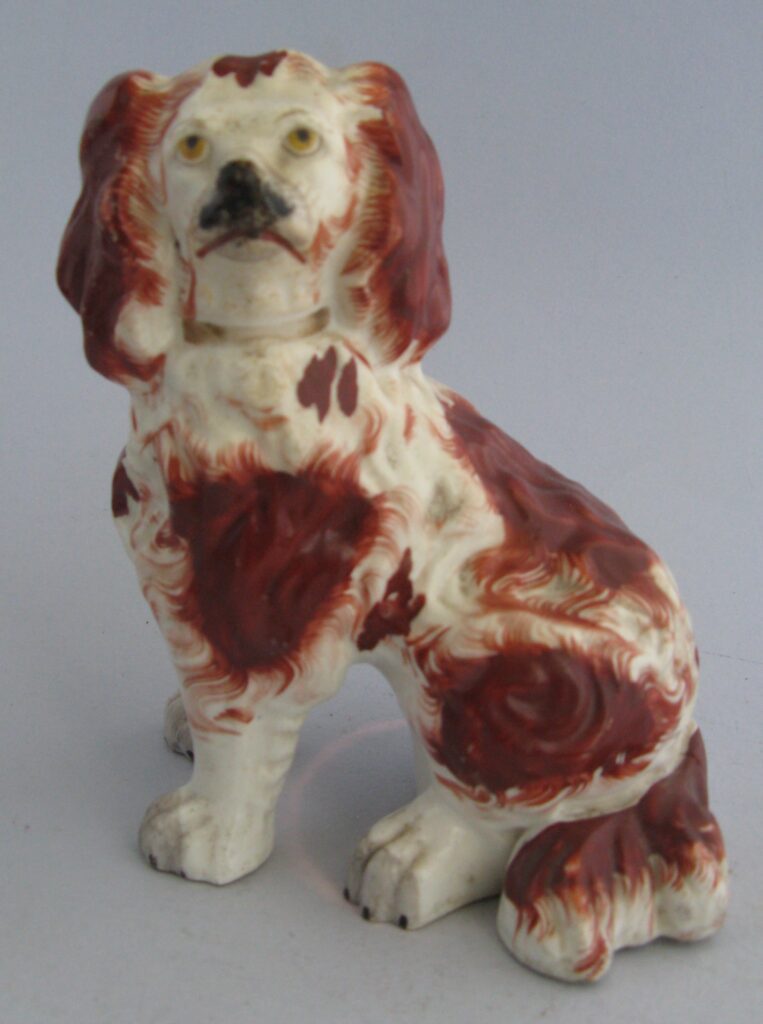
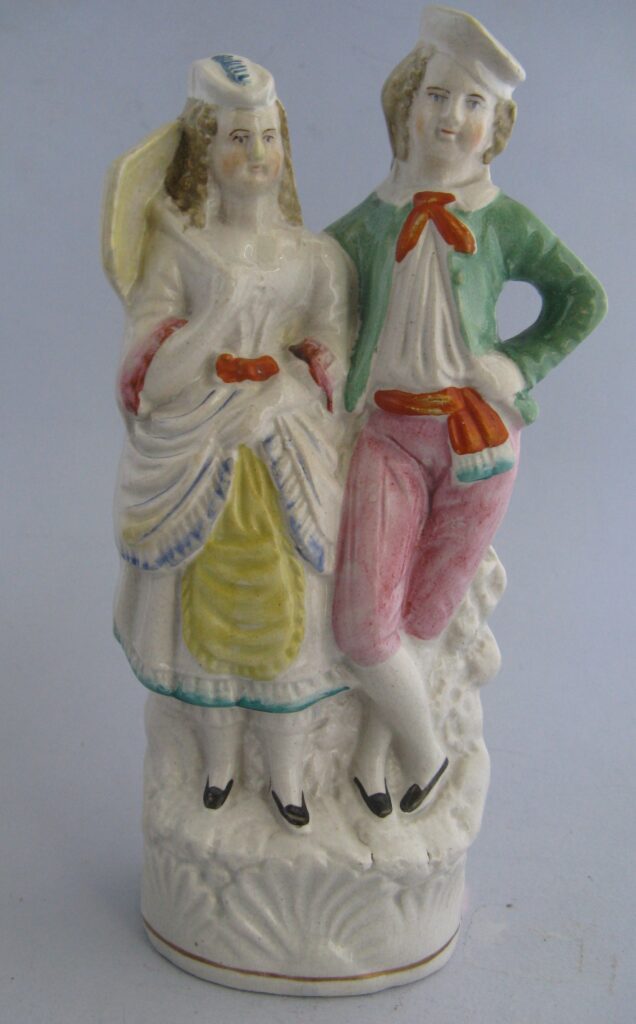
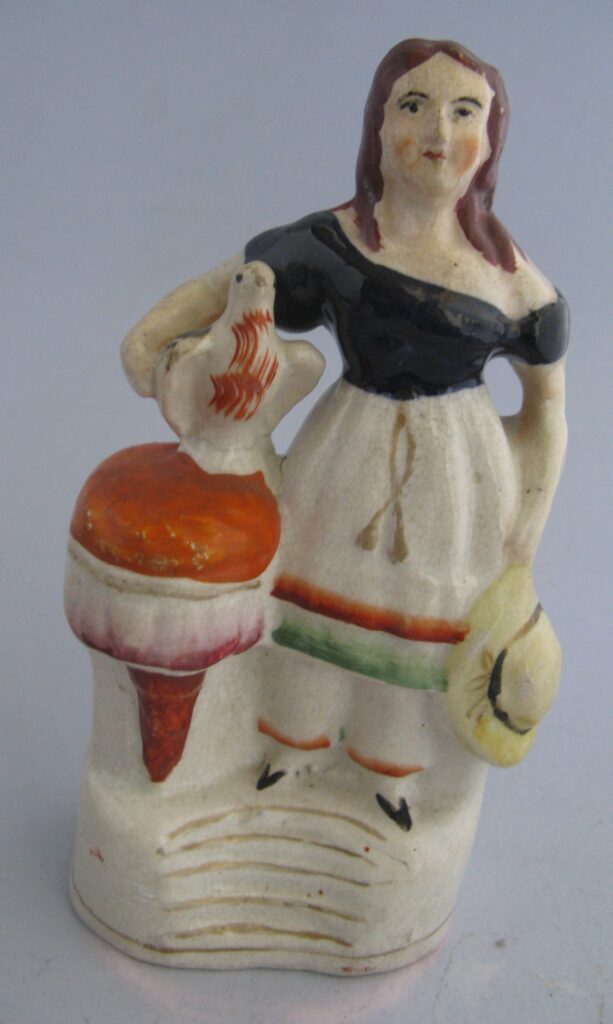
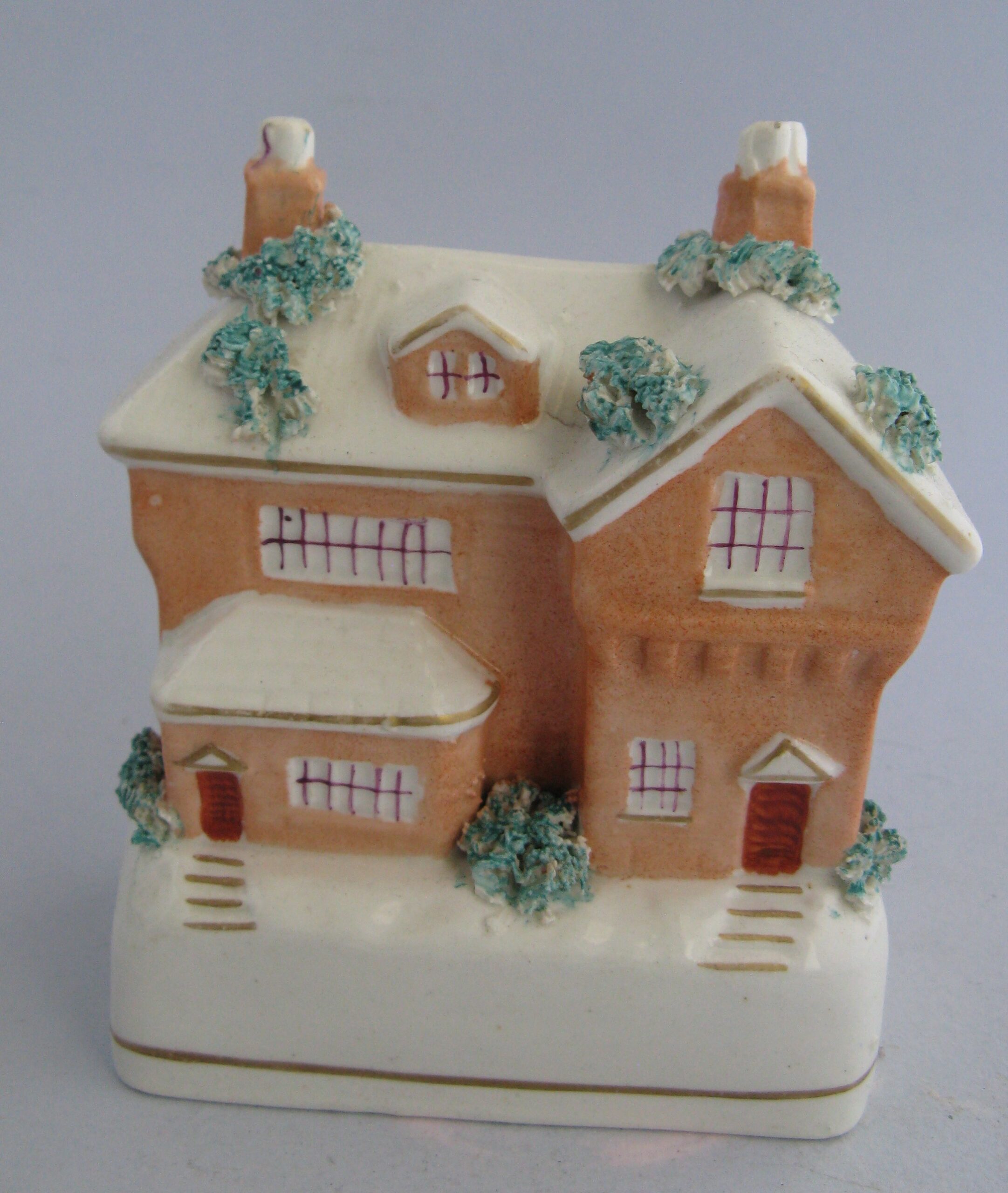
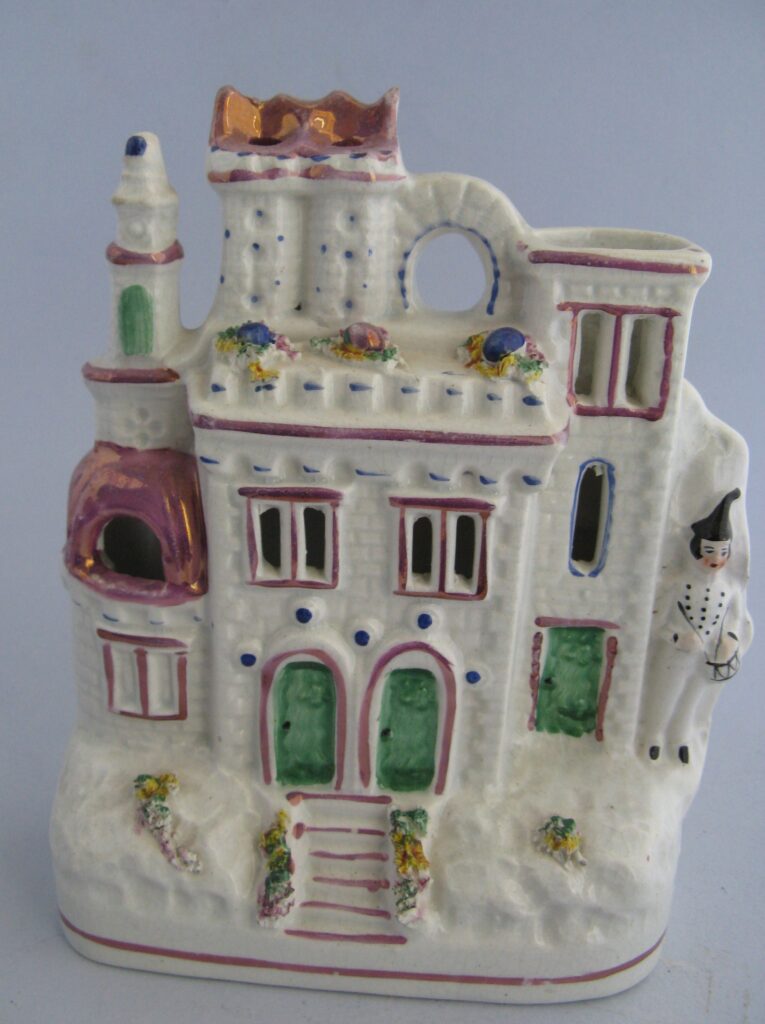
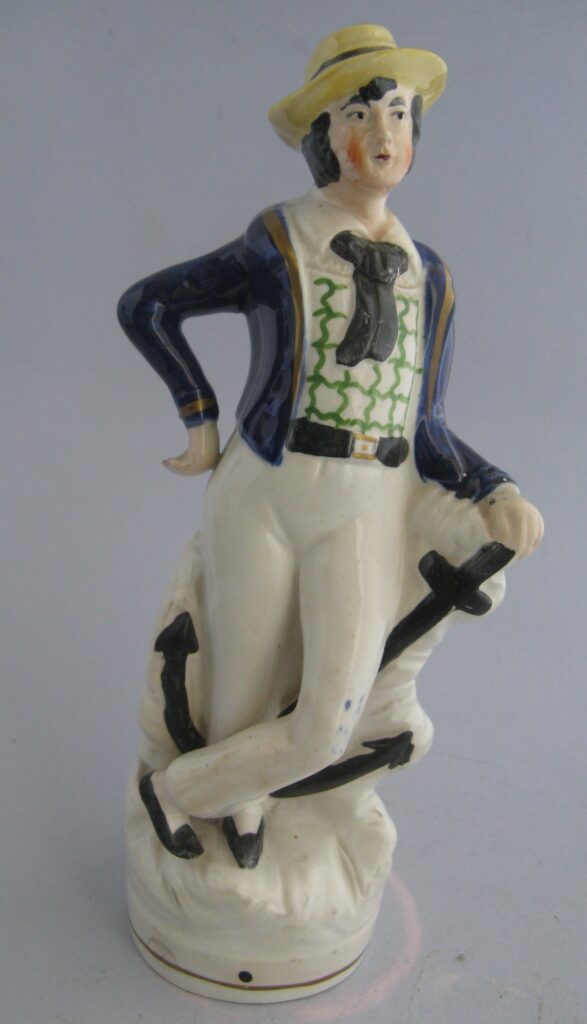
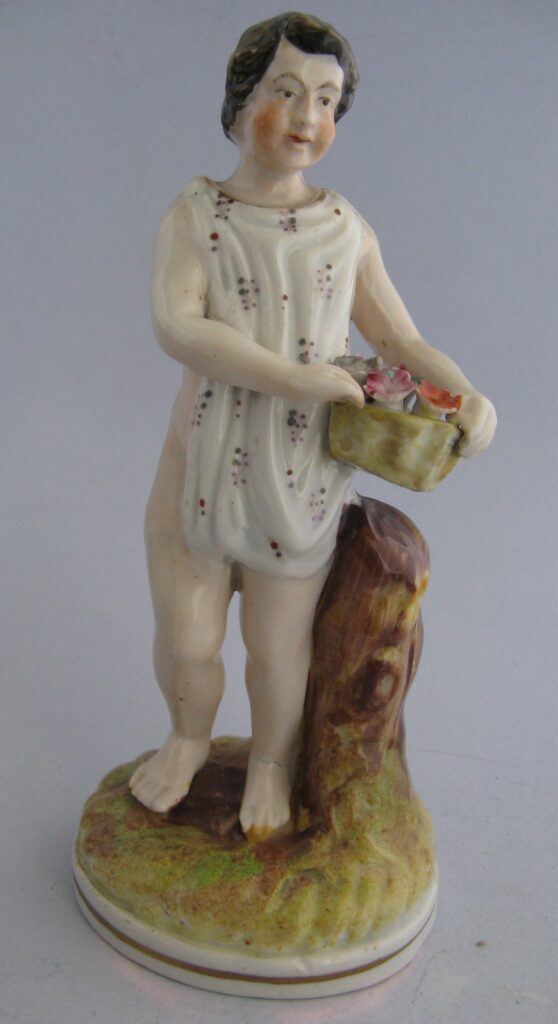
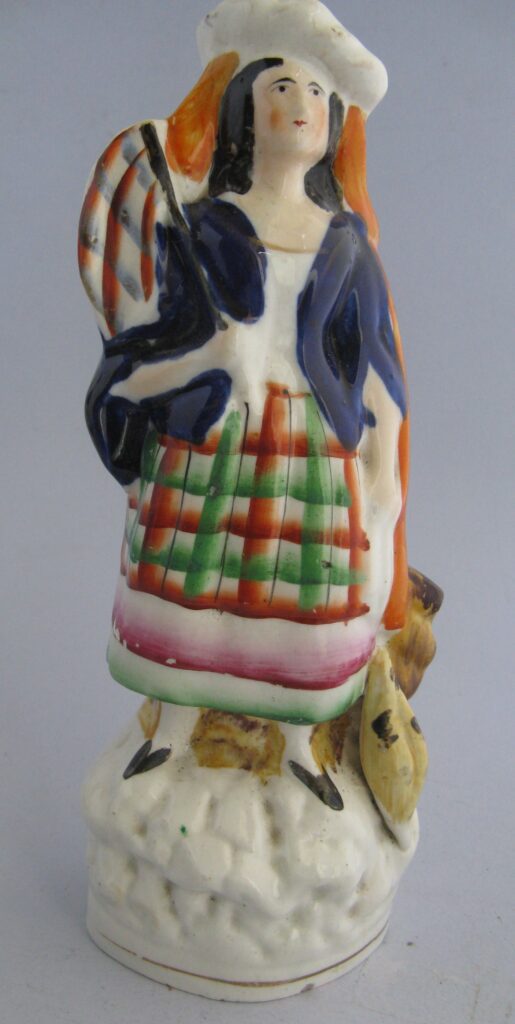
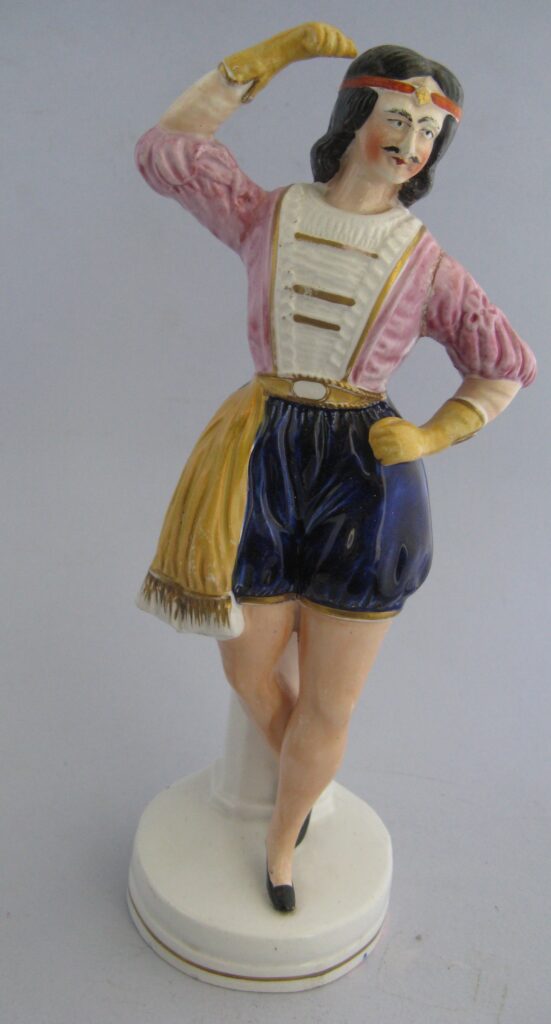
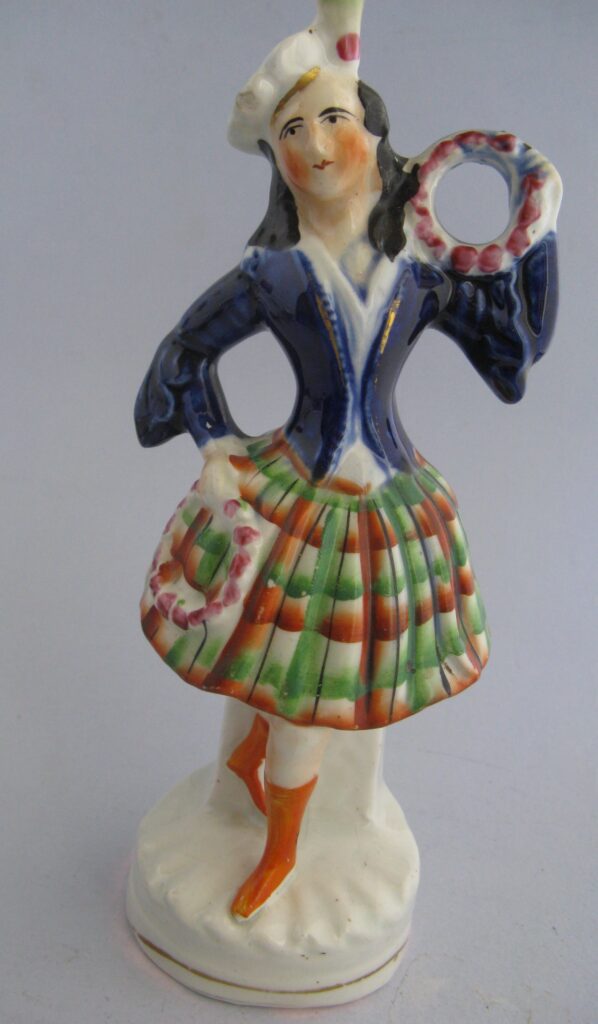
For a newcomer to Staffordshire pottery, these could easily be the building blocks for a solid collection of Staffordshire figures, or even to begin a themed collection focusing in on a particular subject. You could consider houses and castles; sailors and military; theatrical and literary; dogs; animals; Royals; rural; etc. And remember that during the chase there is always a chance of finding a rare and desirable figure cheaply to add to your newly formed collection.
Be warned, this is only the start! This interest can develop into an obsession with many offshoots, leading to collections galore and house extensions.